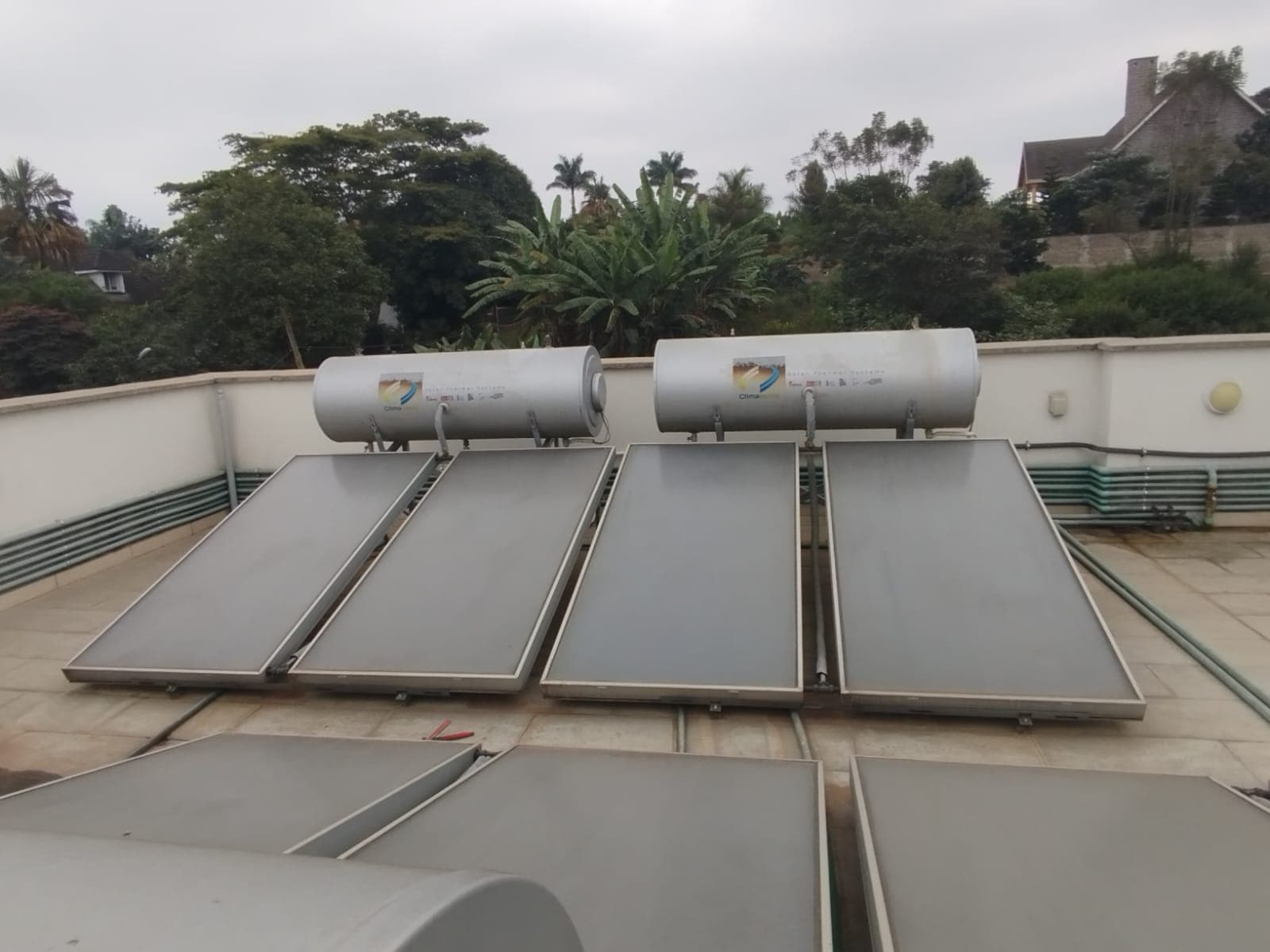
Elatec installs both evacuated-tube (ETC) and flat-plate (FPC) solar water heater systems, and the honest answer to "which one is better" is that it depends on your roof, your climate, and your budget. Here's the real difference, not the marketing version.
How Each Technology Works
Evacuated-tube collectors use rows of glass tubes, each with a vacuum layer that insulates the absorber inside from heat loss, similar in principle to a thermos flask. Flat-plate collectors use a single insulated flat panel with a dark absorber sheet and copper piping underneath a glass cover, closer in principle to a car radiator working in reverse.
Performance in Real Conditions
Performs better in cold mornings and cloudy conditions because the vacuum insulation minimises heat loss. Individual tubes can be replaced if damaged without draining the whole system. Slightly more efficient at converting diffuse light on overcast days.
More robust against physical damage (hail, falling debris) since there's no glass tube array exposed individually. Lower profile, which suits some roof aesthetics and wind-exposed sites better. Slightly less efficient in cold or heavily overcast conditions.
Roof and Site Considerations
Evacuated tubes are lighter individually and easier to angle correctly on a flat roof using a mounting frame, which matters in Nairobi where a 15-20 degree tilt gets the best year-round performance. Flat-plate panels are more rigid as a single unit and tend to be preferred on pitched roofs where the roof pitch itself provides much of the needed angle, reducing the mounting frame required.
In high-wind areas, flat-plate's single sealed unit construction has an edge, there's no risk of an individual tube being dislodged. In areas prone to hail or falling branches, this same robustness matters more.
Cost and Longevity
Flat-plate systems are typically the more affordable option upfront. A 150L flat-plate system, like the Dayliff unit we install, runs around KES 150,000 fully installed. Evacuated-tube systems from brands like Sunrain or Apricus tend to sit at a similar or slightly higher price point depending on tube count and tank size, with the advantage that individual tube replacement (rather than a full collector swap) keeps long-term maintenance costs down if damage occurs.
Both technologies, properly installed and maintained, last 15 to 20 years with the tank and mounting frame outlasting the collector components in most cases. Neither is meaningfully more prone to breakdown than the other when installed by someone who understands the plumbing and pressure requirements.
Our Recommendation, Honestly
- •Choose evacuated tube if: Your area sees frequent cloud cover or cooler mornings and you want maximum performance in marginal sun conditions
- •Choose flat plate if: You have a pitched roof at a good natural angle, want a lower-profile install, or are in a hail-prone or high-wind area
- •Either works fine if: You get consistent sun exposure and a competent installer who sizes the tank and collector correctly for your household
We install both technologies and will recommend the right one for your specific roof during a free site survey, not push whichever has better margins. See our full solar water heater installation service for sizing guidance from 100L households to 1,000L+ hotel and hostel systems.
Not sure which technology suits your roof?
Book a free site survey. We'll assess your roof pitch, orientation, and household hot water needs before recommending a system.
Book Free Survey