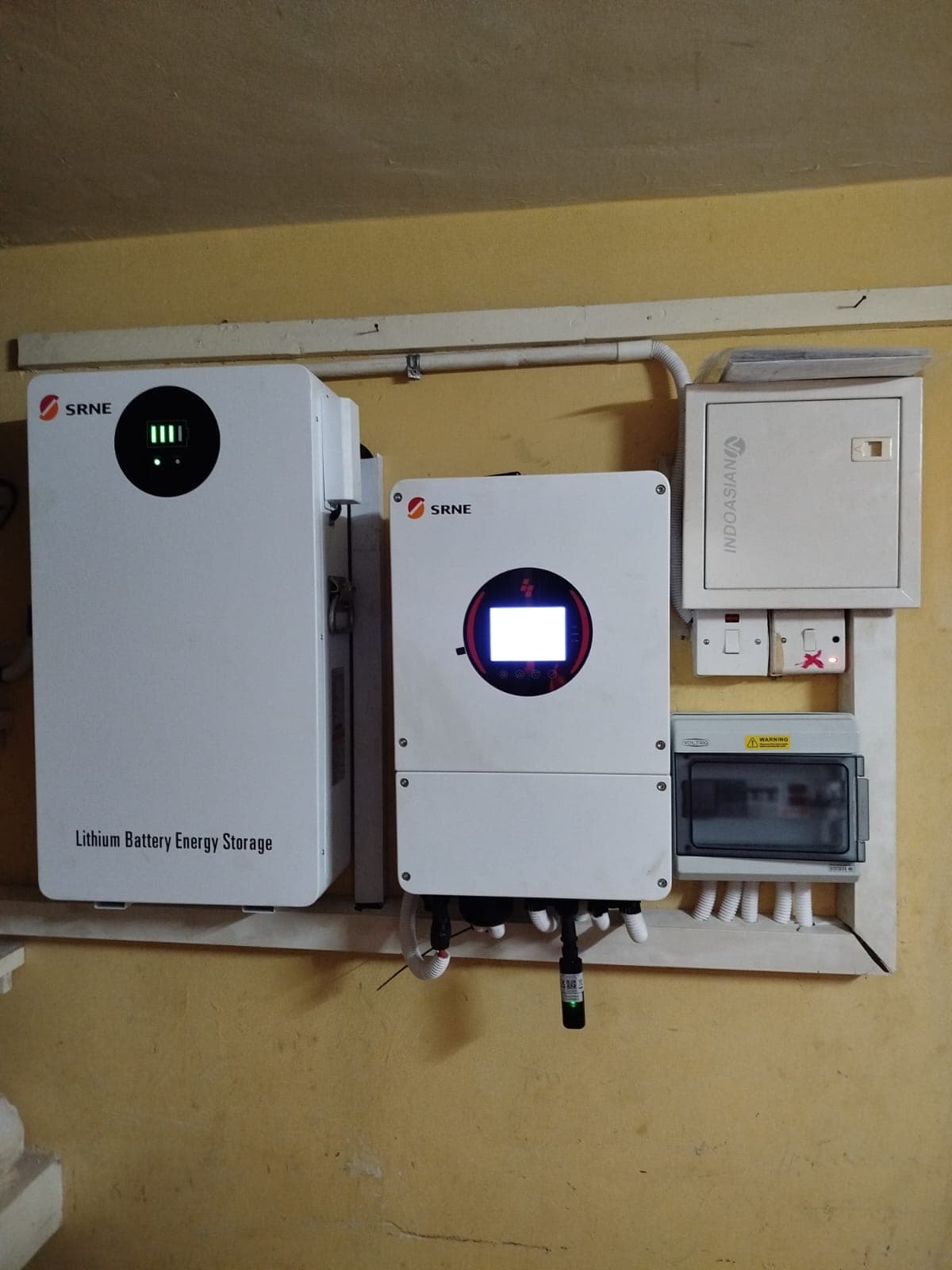
The following is an illustrative scenario, not an account of a specific client or incident, built from the kind of situations our technicians encounter repeatedly across homes, clinics, and small businesses in Kenya. We're telling it this way because numbers on a spec sheet rarely capture what backup power is actually for.
8:52 PM
A small private clinic in a Nairobi suburb is running a late walk-in shift, two nurses, one duty doctor, a handful of patients in the waiting area. The lights flicker once, twice, then the building goes dark the way it always does when the transformer down the road trips. Nobody in the room reacts with alarm. This has happened often enough that it barely registers as an event anymore.
8:53 PM
In a clinic without backup power, this is the moment things get genuinely difficult. The vaccine fridge starts an invisible countdown against the manufacturer's cold-chain tolerance. The nebuliser a child needs mid-treatment stops mid-cycle. Whatever equipment was mid-procedure has to wait, or worse, can't wait. Phones become torches. A doctor who was thirty seconds from finishing a note has to decide whether to write it by hand instead.
8:53 PM, in the Version With a Hybrid Inverter
In a facility with a properly sized solar hybrid backup system, the changeover happens in the time it takes to notice the room went quiet. The hybrid inverter senses the grid drop and switches load to battery automatically, no manual generator start, no fumbling for a torch, no gap in supply long enough to matter to sensitive equipment. The vaccine fridge never stops. The nebuliser keeps running. The only thing anyone in the room actually notices is that nothing changed.
Why the Sizing Decision Made Months Earlier Is the Whole Story
This moment isn't decided at 8:52pm. It's decided months earlier, in the sizing conversation nobody thinks is dramatic: what has to stay running during an outage, for how long, and what battery chemistry and inverter capacity actually deliver that reliably. A facility that undersizes its system to save money on the inverter finds that out precisely when it can least afford to.
- •The load list: Vaccine fridge, essential lighting, one treatment room's equipment, a router for record access, correctly identified and prioritised before the system is ever designed
- •The battery capacity: Sized to bridge realistic outage durations, not just a token half hour
- •The inverter's changeover time: Fast enough that sensitive equipment never registers an interruption
- •The maintenance plan: Because a backup system nobody checks is a backup system that fails exactly once, at the worst possible time
It Doesn't Have to Be a Clinic
The same pattern plays out in a home with a newborn who needs a room kept warm, in a small business with a server that can't survive an ungraceful shutdown, in a rental property where a tenant's patience for outages is directly tied to whether they renew the lease. The stakes are different in every case. The mechanism, an automatic changeover that removes the decision from your hands at the exact moment you have no time to make one, is the same.
If any part of that scenario sounds like your own household or business, our solar backup systems service starts with a load assessment that identifies exactly what needs to keep running and sizes the system around it, not the other way around.
9:15pm. The grid comes back. In the version with backup power, nobody in the room noticed when it left.
Don't wait for your own version of 8:52pm
Book a free site survey, we'll assess your critical loads and size a backup system that switches over before you even notice the outage.
Book Free Survey