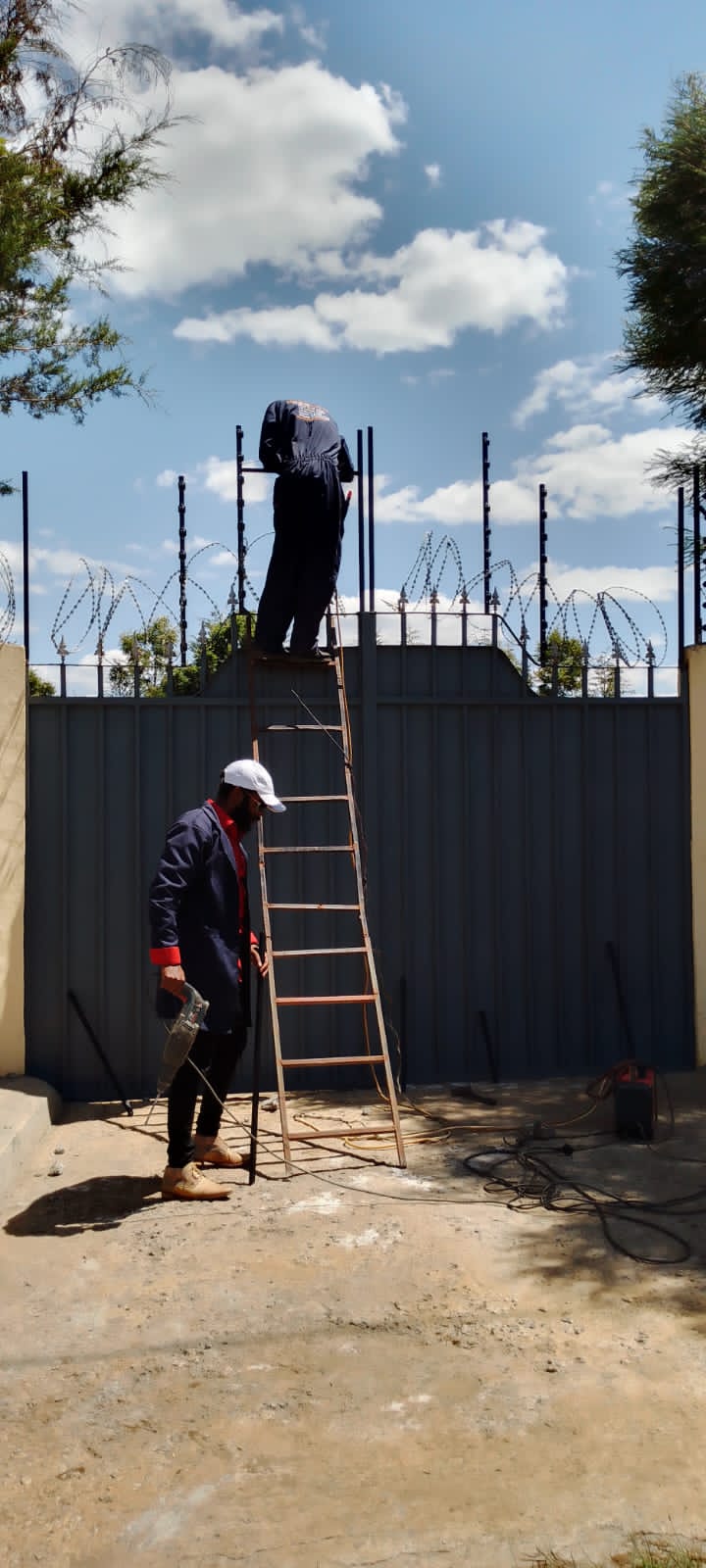
A site survey sounds like a formality, something an installer does on the way to giving you a price. Done properly, it's the single most important step in the entire process, and it's also the step that dishonest or simply lazy suppliers are most likely to skip or rush. Here's what a proper one actually involves, sector by sector, so you know what to expect and what to push back on.
Before the Visit: What Should Be Arranged
A legitimate site survey should be free, or its cost clearly stated upfront and credited against the job if you proceed. You should know roughly how long it will take and who is coming. If a supplier wants payment before they've even seen your property, that's a reasonable moment to ask why.
During the Visit: What Should Actually Happen
- •For CCTV: the technician should walk the full perimeter and interior with you, identify blind spots, and discuss camera placement in terms of what each camera will actually see, not just a total count.
- •For electric fencing: the surveyor should measure the actual perimeter length, note wall height and condition, identify where the energiser will sit, and flag any sections needing special treatment (gates, shared boundaries, low walls).
- •For solar backup: the technician should ask about your actual appliance load, not just hand you a generic package size, and should assess roof orientation, shading from trees or neighbouring buildings, and available mounting space.
- •For shading structures: measurements should be taken on site, along with a check of ground conditions for footing placement and any structural considerations for wind exposure.
In every case, the person conducting the survey should be asking you questions, about your budget, your priorities, and your concerns, not just measuring and leaving. A survey that takes ten minutes and produces no questions is a red flag regardless of sector.
After the Visit: What the Quotation Should Contain
A proper quotation is itemised: specific equipment, specific brand, specific quantity, specific price, not a single lump sum labelled "security system" or "solar package." It should state clearly what's included in installation (cabling, mounting, testing, commissioning) versus what might be billed separately. It should state the warranty terms in writing. And it should have a validity period, since equipment prices do move with currency fluctuations and import costs.
You can see the level of detail we mean in our own published service pricing which breaks systems down by capacity and what's included at each tier, the same level of detail a proper written quotation should contain.
What Bad Actors Skip
The corners most commonly cut are the site visit itself (quoting off a phone description instead), the itemisation (a single vague total instead of a line-by-line breakdown), and the warranty terms (verbal promises instead of anything written down). Any one of these missing should make you slow down. All three missing is a clear signal to get a second quote before committing.
See a proper survey and quotation in action
Book a free site survey. We'll walk your property, ask real questions, and follow up with a written, itemised quotation you can actually compare against other offers.
Book Free Survey