Some of the worst security and solar decisions we've seen weren't made by careless people. They were made by careful people acting on advice that sounded reasonable at the time. Here are five beliefs we hear constantly, and why each one falls apart under a closer look.
Myth 1: DIY Is Always Cheaper
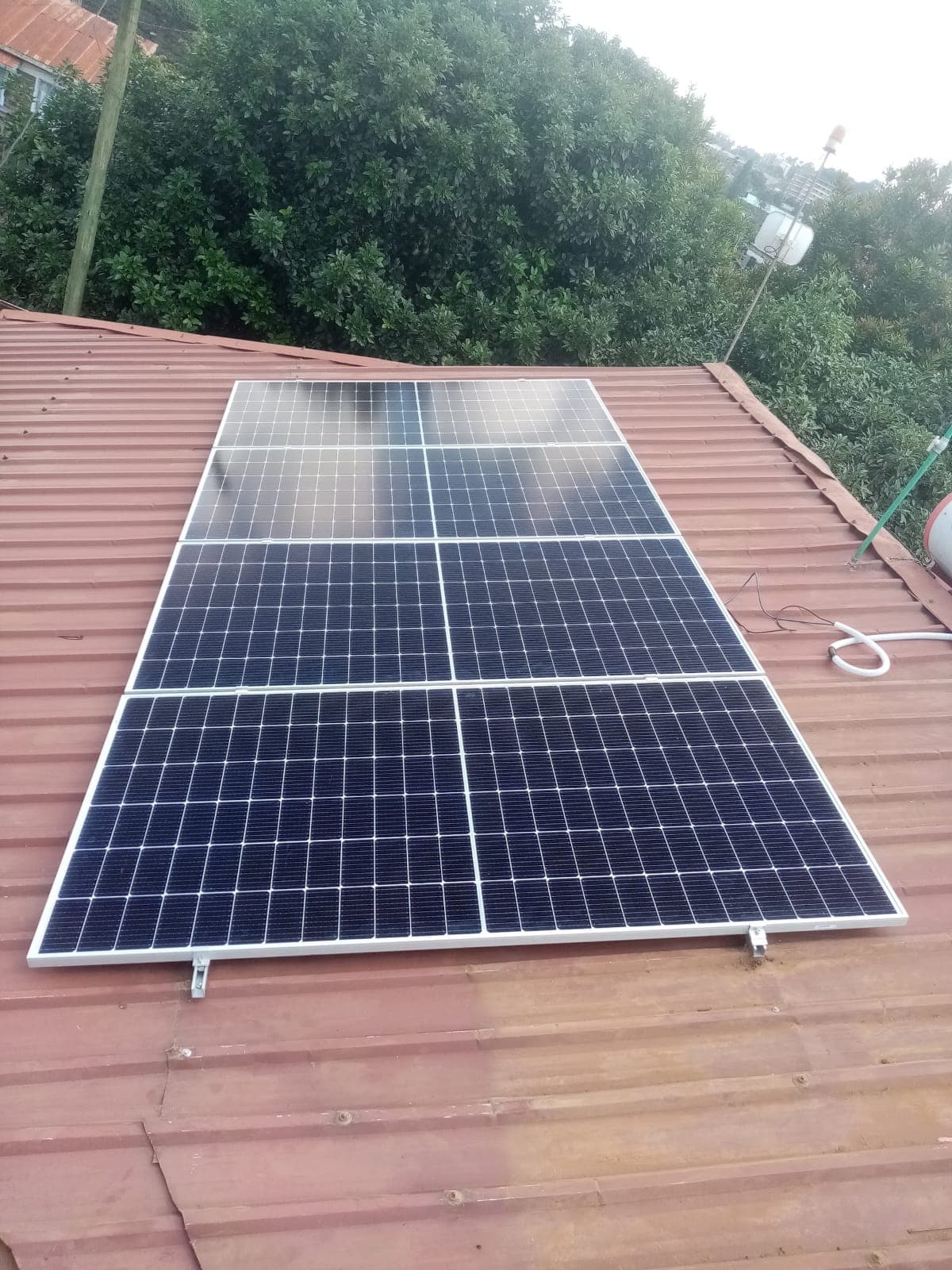
Buying components yourself and hiring a casual fundi to fit them can look cheaper on the receipt. It often isn't cheaper over the life of the system. An electric fence energiser wired without correct earthing will nuisance-trip constantly or, worse, fail to deliver an effective shock, meaning you paid for a fence that doesn't actually deter anyone. A solar panel array installed at the wrong angle or without a proper MPPT controller underperforms for its entire lifespan, quietly costing you the electricity savings you bought the system for in the first place.
The honest comparison isn't installation cost versus installation cost. It's installation cost plus the value of a system that actually performs, versus installation cost alone.
Myth 2: Any Installer With a Van Is Qualified
Kenya's security and solar installation market has a low barrier to entry: a van, some tools, and a WhatsApp business account is enough to start quoting jobs. That doesn't mean the person quoting understands earthing, energiser output limits, structural wind loading for a car parking shade, or how to size a battery bank for your actual daily load. Ask directly what standard they install to, whether they've handled a similar project before, and whether they'll leave you a written spec of exactly what was fitted.
Myth 3: Warranty Doesn't Matter If the Price Is Good
A cheap system with no warranty support is a bet that nothing will go wrong. Electric fence energisers fail. Solar inverters trip. Camera power supplies burn out during voltage surges. When that happens, the difference between a supplier who honours a warranty and one who has vanished is the difference between a phone call and a full replacement bill.
This matters more in Kenya than in markets with strong consumer protection enforcement, because there is limited practical recourse if a supplier simply stops answering calls after the sale. Ask for the warranty in writing before you pay a deposit, not after.
Myth 4: More Cameras Automatically Means Better Security
Camera count is an easy number to sell and an easy number to be impressed by. It's a poor proxy for actual coverage. Eight cameras poorly positioned, overlapping the same driveway view while leaving a side gate unwatched, protect you less than four cameras placed correctly. A competent installer starts with a coverage plan, not a camera count.
Myth 5: Solar Backup Means You'll Never Notice an Outage
A well-sized hybrid solar system genuinely can switch over instantly during a power cut, with no gap you'd notice. "Well-sized" is doing a lot of work in that sentence. If your inverter and battery bank are sized for lights and a router but you run a fridge, a water pump, and an electric cooker off the same circuit, you will notice the outage, usually as an inverter fault alarm at an inconvenient hour. Sizing has to match your actual load, not a generic package.
If you're weighing up a solar backup system for your home, our solar services page lists real system sizes and what's included at each tier, so you can compare against any quote you've already received.
Get a second opinion before you commit
If a quote you've received sounds too good, or you're not sure what you actually need, book a free site survey. We'll give you an honest read, even if our recommendation is smaller than what you were quoted elsewhere.
Book Free Survey