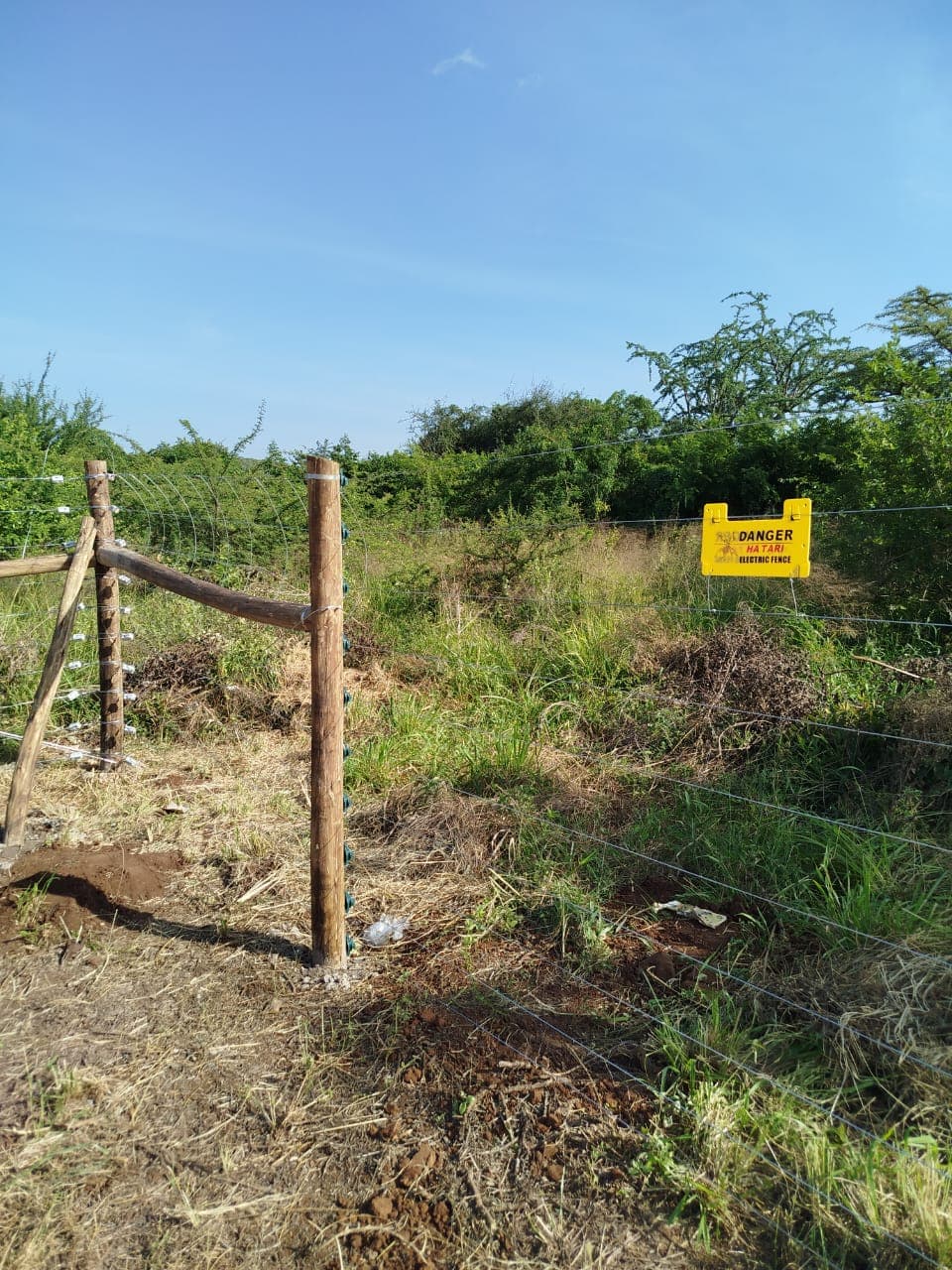
Every few months a rumour resurfaces on Kenyan social media that electric fences are about to be banned, or that they already are illegal, or that anyone injured by one can sue the fence owner into the ground. None of that is accurate. Electric fences are legal in Kenya. What isn't legal is installing one badly.
The Legal Basis
Electric perimeter fencing for residential and commercial security is permitted under Kenyan law, and it is treated as a standard security installation subject to KEBS product and installation standards rather than a special or restricted category. What regulates it isn't a single named statute but a combination of building and safety codes, electrical installation rules, and the manufacturing standard the equipment itself must meet.
The technical reference point almost every reputable installer in Kenya works to is SANS 10222, the South African National Standard for the erection of electric fences. It was developed regionally and adopted as the practical benchmark across East and Southern Africa because there wasn't a competing local equivalent, and it is thorough: it covers energizer output limits, minimum clearances from public areas, earthing requirements, and signage.
What SANS 10222 Actually Requires
- •Energizer output limits: The pulse must be a short, high-voltage, low-energy shock, not a sustained current. This is the difference between a painful deterrent and a genuinely dangerous fence, and it's set by the joule rating of the energizer itself.
- •Warning signage: Danger signs must be posted at regular intervals along the entire fence line, at every gate, and at any point where the public could reasonably come into contact with the wire. This is not optional and it's one of the cheapest parts of the whole installation to get right.
- •Clearance from public areas: Minimum distances apply between live wires and pavements, roads, and neighbouring structures so nobody brushes a live strand by accident while walking past.
- •Proper earthing: The energizer needs a dedicated earth spike system, separate from the property's general electrical earth, so the pulse discharges correctly and doesn't create a shock hazard elsewhere in the building's wiring.
- •Isolation from other fencing: Where an electric fence runs alongside or on top of an existing wall, razor wire, or chain-link boundary, the live wire must be properly isolated from any metal that could carry current somewhere it shouldn't go.
Where Kenyan Installations Actually Get Flagged
In practice, very few compliance problems come from the concept of having an electric fence. They come from installation shortcuts. The most common violations we see on properties that call us in after another contractor's work:
- 1.No warning signs, or too few: A single sign at the gate does not satisfy the requirement. Signs are needed at intervals along the whole run.
- 2.Energizer output too high for the application: Fitting an 18 or 28 joule commercial-grade energizer, meant for long agricultural fence runs, onto a small residential wall is both overkill and a genuine safety concern.
- 3.No proper earth spike, or earthing shared with house wiring: This is the single most common defect we find on second-opinion site visits, and it's invisible until something goes wrong.
- 4.Live wire run too close to a public footpath or neighbouring fence: Common on tight urban plots in Nairobi where every centimetre of boundary is contested.
- 5.No isolation between the electric fence and razor wire below it: If a metal fence-top razor coil is in contact with a live strand and not properly isolated, current can travel where it isn't meant to.
None of these are exotic problems. They're the standard checklist any competent installer runs through before energizing a fence. If you're not sure whether an existing installation on your property meets these requirements, it's worth having it inspected rather than assuming. See our electric fence installation service for what a compliant installation actually includes.
Liability: What Happens If Someone Is Shocked
A correctly installed, correctly signed electric fence delivering a compliant pulse is not designed to cause lasting harm, and Kenyan practice follows the same logic as most jurisdictions that permit these systems: a property owner who has installed to standard, signed the fence properly, and maintains it is in a very different legal position from one who has cut corners. The signage requirement exists precisely because a warned trespasser has been given fair notice. An unsigned, unearthed, or over-powered fence removes that protection and shifts real risk onto the property owner.
The Simple Version
Electric fencing is legal, widely used, and effective across Nairobi, the wider Central region, and rural counties alike. The standard, SANS 10222, is not bureaucratic box-ticking, it's a genuinely sensible set of rules that keeps the fence doing its job (deterring intruders) without creating hazards for the people who live behind it or pass by it. Ask any installer quoting your job whether they install to SANS 10222 by default. If the answer is vague, that's your answer.
Not sure your current fence is compliant?
We offer inspections of existing electric fence installations, checking earthing, signage, output levels, and isolation against SANS 10222 before anything goes wrong.
Book an Inspection