Get expert guidance
The scenario below is illustrative. It is not a report of a specific real incident or client, but it reflects a pattern our technicians see often enough during site surveys and post-incident consultations that it's worth telling as a story rather than a checklist.
Book Free SurveyIt's just past midnight on a quiet street in Kiambu. A gate creaks. Not the main vehicle gate, the small pedestrian side gate that everyone forgets exists until something goes wrong. A figure slips through, moves along the wall in the dark, and out of frame within four seconds.
Four seconds is not much. But it's enough, if the camera covering that stretch of wall exists, and if it's actually pointed the right way, and if the footage from that night hasn't already been overwritten by the time anyone thinks to look.
The gap nobody noticed until it mattered
In our composite scenario, the property has six cameras. Four cover the main gate, the driveway, and the front of the house, because that's where the original installer assumed the risk was highest. The side gate, added years later when a domestic worker's quarters were built at the back, was never brought into the coverage plan. It's a common story: the property changes over the years, but the camera layout, done once and never revisited, doesn't change with it.
When the household wakes up to find a side door forced and a laptop missing, the first instinct is to check the cameras. Four cameras' worth of footage shows nothing unusual, because nothing unusual happened where they were pointed. The side gate, the actual point of entry, was never in frame.
Even where there is a camera, there's a second problem: retention
Say, in a slightly different version of this scenario, there had been a seventh camera covering that side gate, installed as an afterthought with a small hard drive to keep costs down. The system was recording continuously in 1080p across seven channels, which fills storage fast. By the time anyone thought to pull footage from three days earlier, that window had already been overwritten. The system worked exactly as configured. It simply wasn't configured to keep footage long enough to be useful after the fact.
This is the part that catches people out. A CCTV system that records everything but retains only a few days of it can feel, right up until the moment you need week-old footage, exactly as reassuring as one that retains a full month. The difference only becomes visible in hindsight, which is precisely the worst time to discover it.
What a properly designed system does differently
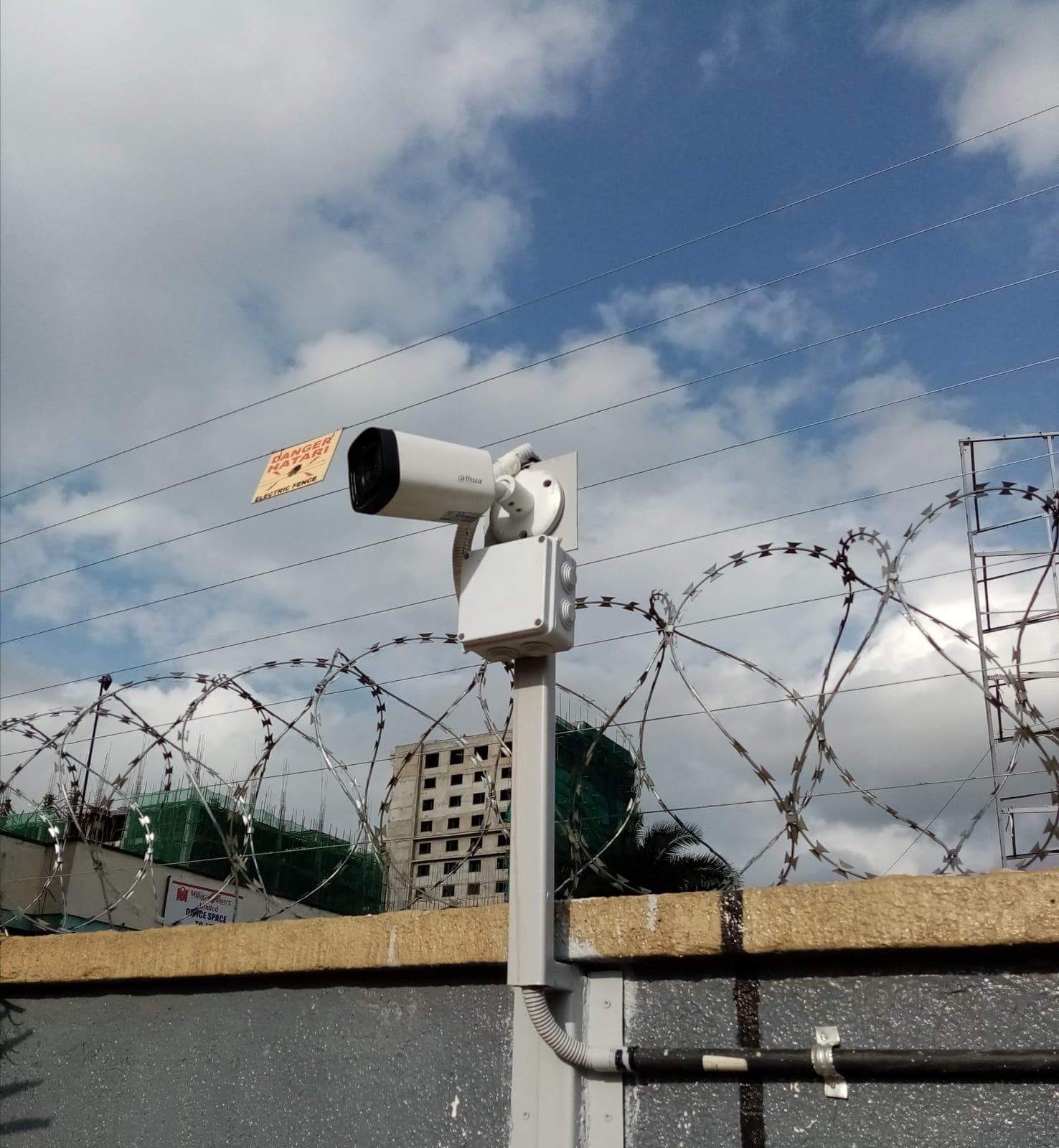
A coverage plan that's revisited whenever the property changes, not fixed at the point of first installation. Every gate, every access point, in frame, including the ones added later, the ones that feel minor, the ones nobody thinks about until 1am on the wrong night.
- •Retention sized to the property's actual risk profile,: not just to whatever hard drive was cheapest at the time. Fourteen to thirty days is a reasonable baseline for most residential systems; higher-risk sites may want longer.
- •Motion-triggered recording on lower-priority channels: to stretch storage further without losing coverage on the areas that matter most.
- •A periodic review,: not a one-time install, so new structures, new gates, and new blind spots get folded into the plan instead of falling outside it.
None of this is exotic engineering. It's the difference between a system installed to tick a box and one designed around how the property actually gets used, and how it changes over time. The side gate that seems unimportant today is exactly the kind of detail that becomes the whole story later.
If it's been a few years since your system was last reviewed, or your property has changed since the original installation, it's worth a second look. Our CCTV surveillance service
includes coverage audits, not just new installs.
When did you last check your blind spots?
Book a free site survey. We'll walk the full property, including the gates and corners that got added after the original install, and tell you honestly where the gaps are.
Book a Free Survey