Gate automation, CCTV, and intercom are often sold and installed as three separate decisions, but on most properties they solve one connected problem: knowing who is at your entrance, deciding whether to let them in, and having a record of what happened. Treating them as a single system rather than three unrelated purchases changes both what you buy and how it gets installed.
What Each Layer Actually Does
The gate motor is the physical actuator, it opens and closes the gate on command, from a remote, keypad, or app. On its own, it has no way of confirming who is on the other side before it opens.
A camera positioned at the gate, ideally covering the full width of the entrance and any pedestrian side gate, gives visual confirmation of who is requesting entry and, on a local NVR or cloud-backed system, a permanent record of every vehicle and person that has approached, regardless of whether the gate opened for them.
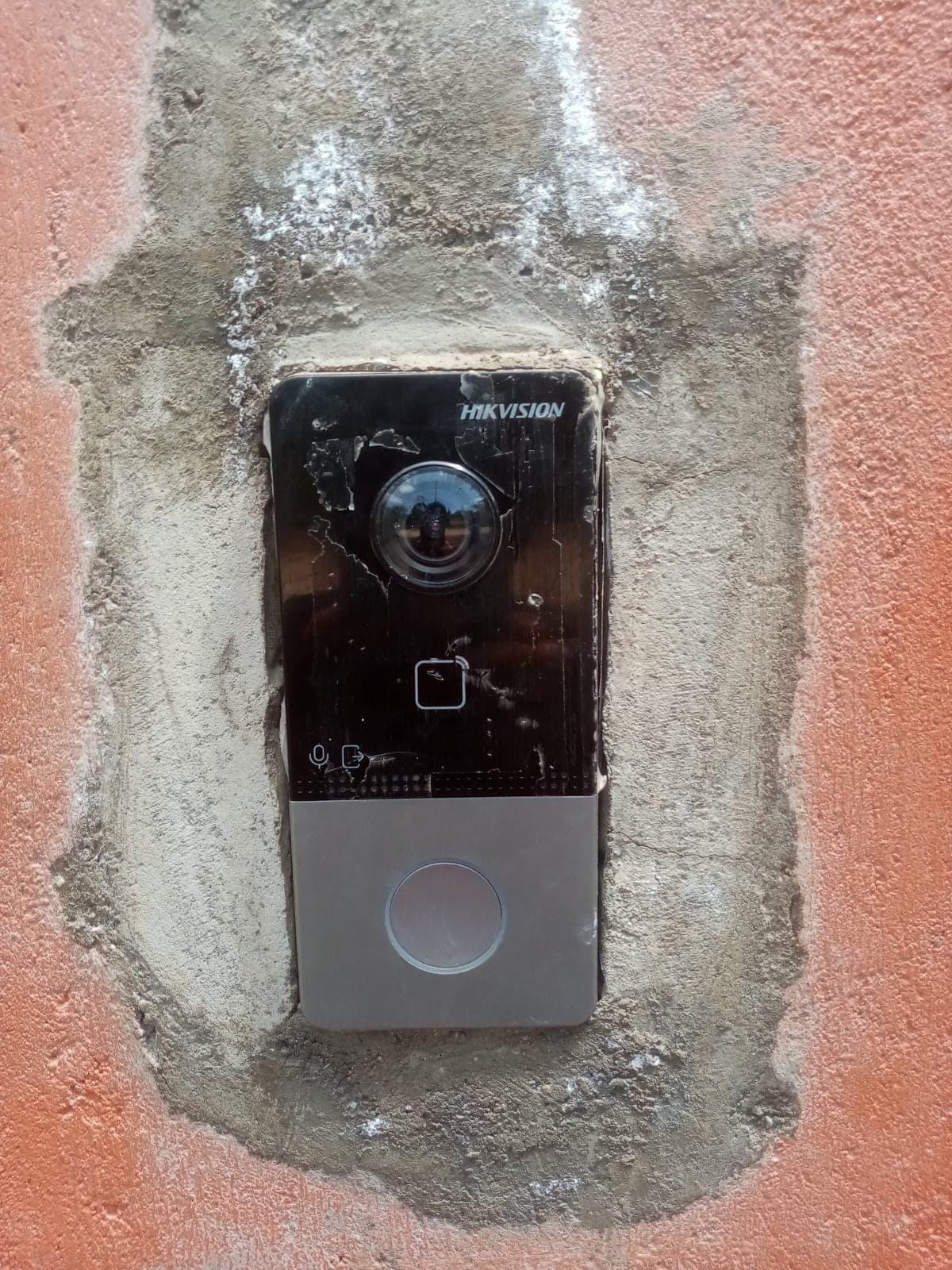
An intercom (audio or video) closes the loop by letting someone inside the property speak directly to whoever is at the gate before deciding to open it, rather than opening blind based on a remote press or a familiar-looking car.
Where Integration Actually Matters
The practical value shows up in a few specific situations. A delivery driver or visitor without a remote presses an intercom button, is seen and heard by someone inside, and the gate is opened remotely, all without anyone leaving the house or a guard leaving their post. A camera positioned to capture number plates provides a usable record if a vehicle needs to be identified after the fact, something a gate motor's own logs (which typically just record open and close events, not who triggered them) cannot provide on its own.
For estates and gated compounds with a guard on duty, the same integration lets the guard verify a visitor on camera and open the gate from a control point without needing to be physically present at the entrance for every vehicle, which matters on larger properties where the guard house is some distance from the gate itself.
Practical Installation Notes
- •Plan cabling for all three systems (motor power, camera data, intercom wiring) at the same time if the gate is being automated for the first time, retrofitting conduit later is far more disruptive.
- •Position the gate camera to capture faces and number plates at a fixed, predictable point, most commonly just inside or at the gate line, rather than a wide shot that captures the whole driveway but no usable detail.
- •A gate motor's own remote and a video intercom's release button can usually both be wired to trigger the same motor, so visitors don't need a separate remote handed to them for occasional access.
- •Battery backup should cover the full system, not just the motor, an intercom or camera that loses power during an outage defeats the purpose of the integration.
None of this requires buying every component from a single brand. A Centurion or FAAC gate motor works perfectly well alongside a Hikvision or Dahua camera and a separately sourced intercom, the integration is mostly about planning cabling and trigger wiring together at the design stage, not about brand lock-in.
Automated Gates service page See our gate automation supply and installation scope.
Book a full entrance security survey We assess gate, camera, and intercom needs together in a single site visit.