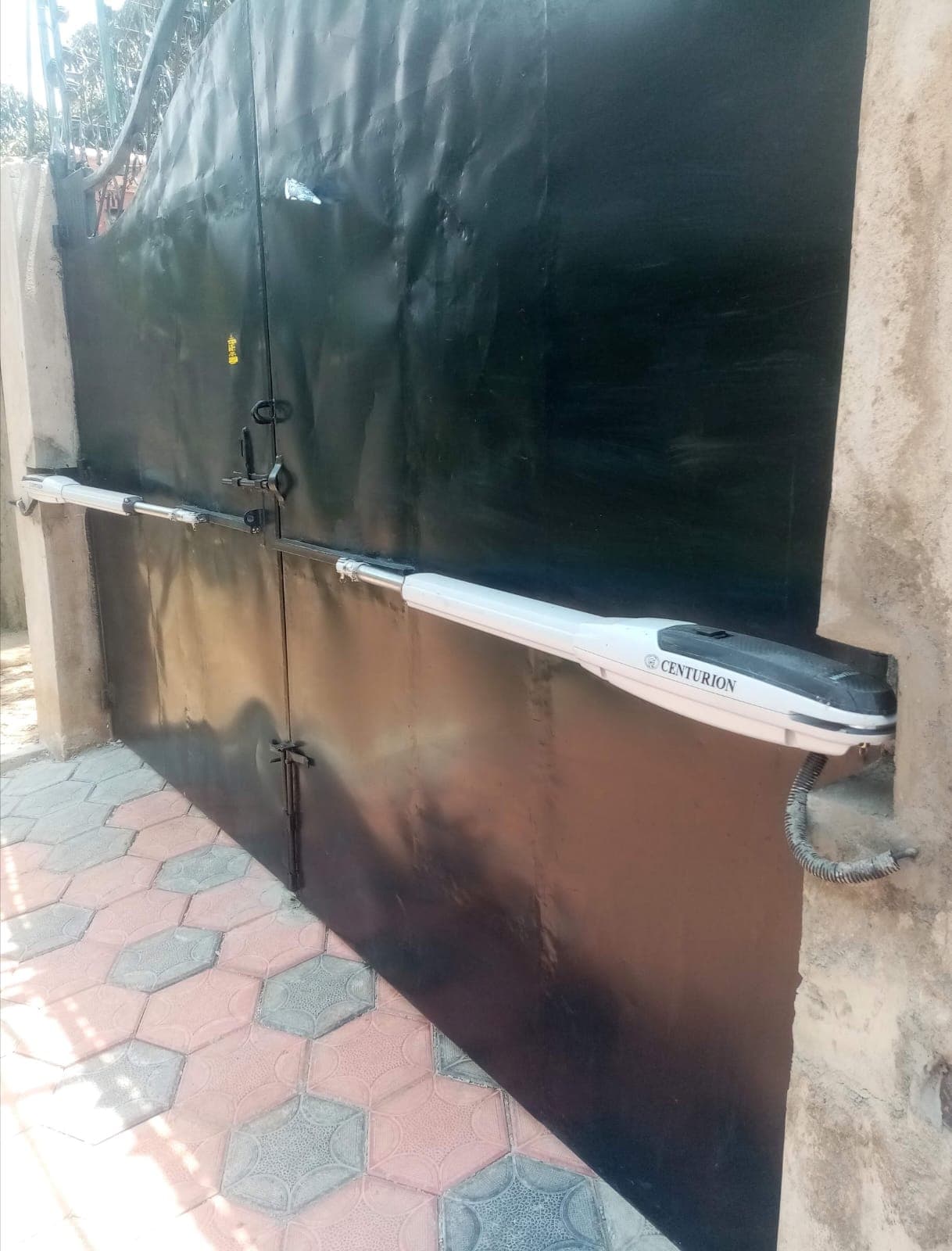
There is a very specific universal experience shared by everyone who has ever owned an automated gate, and it goes like this. You pull up to your own driveway, press the remote out of pure muscle memory without even looking at it, and nothing happens. You press it again, harder, as though the problem is a lack of physical force rather than a depleted CR2032 cell that gave out sometime during the previous fortnight. You press it a third time, now aiming it at the gate like you are trying to win an argument with it.
The gate, for its part, has done nothing wrong. It is simply waiting for a rolling code signal that is no longer arriving, because the battery inside a small plastic fob has finally run out after eighteen months of quiet, uncomplaining service, and chose this exact evening, with the rain starting and your hands full of shopping bags, to do it.
Why It Always Feels Like Bad Timing
It isn't actually bad timing, in the sense of some malevolent gate-remote spirit tracking your schedule. Remote batteries fail gradually: the transmission range shrinks first, so you find yourself having to get closer and closer to the gate before it responds, and most people simply adjust without registering what is happening, right up until the range hits zero. The moment you notice is just the moment the slow decline finally crossed a threshold, it usually was not sudden at all.
The Five Stages of Gate Remote Battery Grief
- 1.Denial: pressing the button again, exactly the same way, expecting a different result.
- 2.Bargaining: standing closer to the gate, holding the remote at a slightly different angle, as though line of sight was ever the actual problem.
- 3.Anger: shaking the remote, on the theory that a loose battery just needs encouragement.
- 4.Negotiation: remembering there is a keypad, if you installed one, and trying to recall the PIN you set two years ago.
- 5.Acceptance: getting out of the car in the rain to find the manual release key, which is exactly the outcome the backup key was designed to prevent from being an emergency.
The genuinely useful takeaway buried in all this comedy is that a dead remote is never actually a dead gate. Every properly installed gate motor has a manual release, precisely for the evenings when the fob has quietly checked out. Knowing where that key is kept, and that it exists at all, turns a mildly infuriating evening into a thirty-second inconvenience instead of a standoff in the rain.
A cheap fix that prevents most of this: keep a spare remote battery in the house, or better, ask your installer to programme a keypad alongside the remote when the system goes in. A Centurion SMARTGUARD keypad costs a fraction of the frustration it saves, and it does not care whether its battery, which lasts far longer under light use, has quietly given up.
Browse remote controls and keypad access units CAME, Centurion, and FAAC remotes plus SMARTGUARD keypads in stock.
Ask us to add a keypad to your existing gate motor Most existing installations can have a keypad retrofitted without replacing the motor.